Skip to plant details

Riesen ChinaschilfMiscanthus × longiberbis

Also known as Giant Miscanthus · Giant Silver-Grass · Small East Asian Silvergrass

  • Category: Ornamental
  • Type: Grass
  • Sunlight: Full Sun
  • Water: Moderate
  • Temperature: Moderate

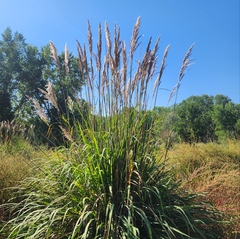
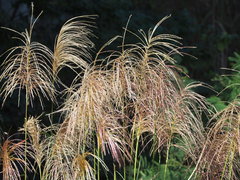
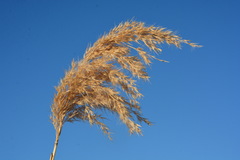
Riesen Chinaschilf (Miscanthus × longiberbis) is a large, ornamental grass forming dense clumps of erect, arching foliage with feathery plumes.

Photograph © Markus Krieger · CC-BY

Riesen Chinaschilf Care Summary

At-a-glance light, water, soil, and growing conditions from plant data

Light

Full Sun

100% intensity

Requires at least 6 hours of direct sunlight daily for best performance and flowering.

Watering

Moderate

50% intensity

Keep soil consistently moist, especially when young or during drought.

Soil

Well-drained

50% intensity

Temperature

Moderate

50% intensity

Prefers average room temperatures but is also very cold-hardy once established.

Fertilizing

Low

25% intensity

Fertilize sparingly in spring; over-fertilizing can cause issues.

Riesen Chinaschilf Toxicity

Safety information from plant toxicity data

Toxicity details for Riesen Chinaschilf
AttributeValue
Toxic for humansNo

0/5 intensity

Toxic for petsNo

0/5 intensity

EdibleNo

Riesen Chinaschilf Quick Facts

Key traits and growing stats from plant data

Plant Type
Grass
Plant Category
Ornamental
Plant Place Type
Garden, Pot
Lifespan
Perennial
Plant Height
200-400 cm
Spread
100-200 cm
Growth Rate
Fast
Dormancy
Winter Dormant
Leaf Color
Green
Leaf Type
Linear
Optimal Sunlight Lux
60000

Care guide for Riesen Chinaschilf

Watering, pruning, propagation, and repotting details from plant data

Water

Water regularly, especially during establishment and dry spells. Allow the soil to dry out slightly between waterings. Avoid waterlogging, as this can lead to root rot.

Once established, Miscanthus x longiberbis is fairly drought-tolerant but performs best with consistent moisture.
Pruning

Cut back all dried foliage to about 10-15 cm above the ground in late winter or early spring before new growth begins. This removes dead material and prepares the plant for vigorous new growth.

Wear gloves to protect hands from sharp leaf edges.

Propagation

Propagate by division in early spring. Carefully dig up the plant and divide the root ball into sections, ensuring each section has healthy roots and shoots. Replant divisions immediately and water thoroughly.

Seeds can be sown in spring but may not come true to type.

Repotting

Repotting is generally not necessary for this large grass, as it is usually planted in the ground. If grown in a container, repot every 2-3 years in spring into a slightly larger pot.

Ensure good drainage and use a well-draining potting mix.

Identify plants like this with ePlant

Snap a photo to get care tips and match similar species on the go.

Try for Free

Flowering & Fruiting Cycles

Monthly activity intensity for bloom and fruit across both hemispheres.

Northern hemisphere

Flowering & fruiting calendar

Peak bloom · SepPeak fruit · Oct
FloweringFruiting
02468JanFebMarAprMayJunJulAugSepOctNovDecActivity intensityMonths95
Southern hemisphere

Flowering & fruiting calendar

Peak bloom · AprPeak fruit · Mar
FloweringFruiting
02468JanFebMarAprMayJunJulAugSepOctNovDecActivity intensityMonths95

Riesen Chinaschilf Names & Synonyms

Common names and botanical synonyms

Common Names

  • Giant Miscanthus
  • Giant Silver-Grass
  • Small East Asian Silvergrass
  • Small Japanese Silver Grass
  • Small Japanese Silvergrass

Synonyms

  • Miscanthus × changii Y.N.Lee
  • Miscanthus × giganteus J.M.Greef & Deuter ex Hodk. & Renvoize
  • Miscanthus × latissimus Y.N.Lee
  • Miscanthus × ogiformis Honda

Riesen Chinaschilf Taxonomy

Botanical classification

Taxonomic classification of Riesen Chinaschilf
RankName
kingdomPlantae
divisionTracheophyta
classLiliopsida
orderPoales
familyPoaceae
genusMiscanthus
speciesMiscanthus × longiberbis

Similar Plants

6 related species from the encyclopedia

Riesen Chinaschilf FAQs

Answers based on plant encyclopedia data

What is the mature size of Miscanthus × longiberbis?

Miscanthus × longiberbis can reach heights of 2-3 meters, with a similar spread, forming substantial clumps.

What are the light and soil requirements for Riesen Chinaschilf?

It thrives in full sun and prefers well-drained soil. It tolerates a range of soil types but dislikes waterlogged conditions.

When is the best time to plant Miscanthus × longiberbis?

The ideal time for planting is in spring, after the last frost, allowing the plant to establish before winter.

How should Miscanthus × longiberbis be pruned?

Pruning involves cutting back the dead foliage in late winter or early spring before new growth emerges. This removes winter debris and encourages vigorous new growth.

Is Riesen Chinaschilf invasive?

Miscanthus × longiberbis is generally not considered invasive in most regions, but it's always advisable to check local regulations and observe its growth habit in your specific climate.